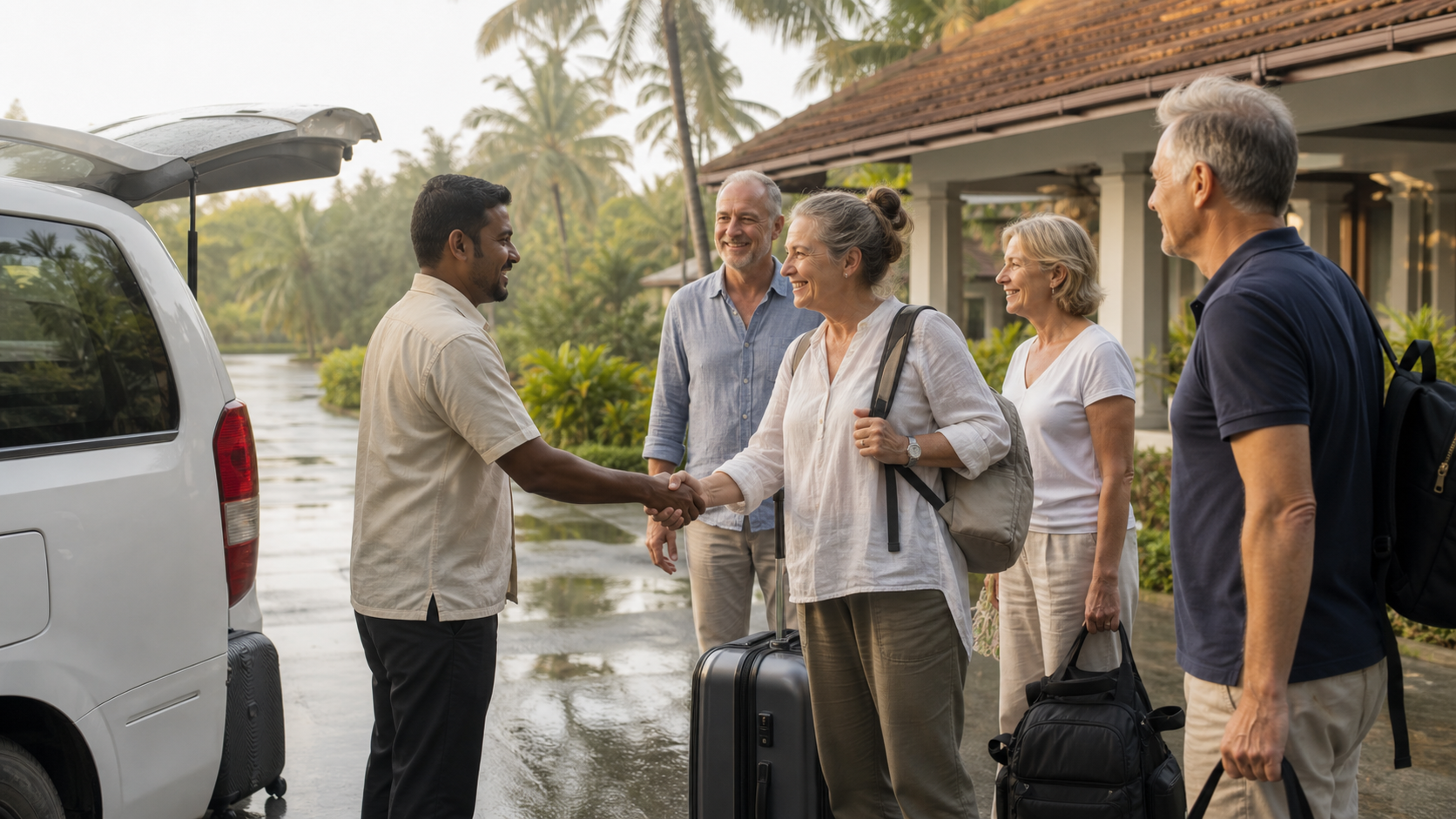
Sri Lanka rewards curious travelers. In a single trip, you can wake beside a palm-fringed beach, climb through misty tea country, explore ancient cities, spot elephants in the wild and end the day over a fragrant rice-and-curry dinner. The island looks compact on a map, but its winding roads, mountain terrain and changing regional weather mean that a little planning goes a long way.
This first-time Sri Lanka travel guide covers the essentials: entry formalities, the best time to visit, how long to stay, a realistic route, transport, money, connectivity, safety, etiquette and what to pack. Use it as a practical starting point, then check official sources again shortly before departure because entry rules and local conditions can change.
Quick answer
For a first trip, allow 10–14 days, choose only three or four bases, and match your coast to the season. Reserve popular trains early, carry some cash, and leave more travel time than the map suggests.
1. Sri Lanka at a glance
CapitalSri Jayawardenepura Kotte; Colombo is the main commercial city and international gateway.
LanguagesSinhala and Tamil are official languages; English is widely used in tourism.
CurrencySri Lankan rupee (LKR).
Time zoneUTC+5:30.
Main airportBandaranaike International Airport (CMB), north of Colombo and close to Negombo.
Ideal first tripAllow 10–14 days for a balanced introduction.
PowerType D, M and G sockets may be encountered; a universal adapter is useful.
The most important planning lesson is simple: do not try to see the entire island in one visit. Sri Lanka’s appeal lies in the contrast between its regions, but a route packed with one-night stops can turn a holiday into a sequence of check-ins. Pick a theme—culture and hills, wildlife and beaches, or the east coast in summer—and build around it.
2. Entry requirements: check your ETA before you fly
Most short-stay visitors need an Electronic Travel Authorization (ETA) before arrival. As of August 2026, Sri Lanka’s official ETA website states that nationals of 40 countries are eligible for a free 30-day tourist ETA, while fees may still apply to other nationalities. Eligibility, exemptions and the permitted stay depend on your passport and circumstances, so use the official Department of Immigration and Emigration ETA portal rather than an unofficial visa site.
Before applying, check that your passport meets the current validity requirement and that your name, passport number and travel details match exactly. Keep a digital and offline copy of your ETA approval, return or onward booking, accommodation details and travel insurance policy. Entry rules can change, so confirm them again with the official authorities and your airline shortly before travel.
Travel insurance is worth arranging early
Choose a policy that covers your full itinerary and planned activities, including hiking, surfing, diving, scooter use or wildlife excursions where relevant. Look carefully at medical treatment, evacuation, cancellation and disruption coverage. If you plan to ride a scooter, confirm the licensing and helmet requirements as well as the policy conditions—many claims are rejected when the rider is not legally licensed.
3. When is the best time to visit Sri Lanka?
There is no single best month for the whole country. Sri Lanka has a tropical climate shaped by two monsoons and the central highlands, so one coast can be sunny while another is wet. The official Sri Lanka Tourism weather guide describes four climate periods, including the southwest monsoon from May to September and the northeast monsoon from December to February.
| Region or experience | Often most convenient | Planning note |
|---|---|---|
| South and west coasts | December–April | Generally calmer beach weather; Christmas and New Year are busy. |
| East coast | May–September | A strong summer option for Trincomalee, Nilaveli and Arugam Bay. |
| Cultural Triangle | Much of the year | Expect heat; start major sites early and carry water. |
| Hill country | Variable year-round | Cooler evenings, mist and showers are possible in any month. |
These are planning patterns, not guarantees. Tropical showers can be brief and highly local, while sea conditions matter more than sunshine for swimming, whale watching and boat trips. Check short-range forecasts and local advice before water activities or mountain hikes.
4. How many days do you need?
Seven days is enough for one focused region. You might combine Sigiriya, Kandy and the hill country, or stay on the south coast with a short wildlife detour. Ten days gives a first-time visitor a balanced introduction. Two weeks creates room for slower mornings, weather changes and an extra beach or wildlife stop.
A good rule is to spend at least two nights in most places. A three-hour transfer can easily occupy half a day once breakfast, packing, traffic, photo stops and hotel check-in are included.
5. A realistic 10-day first-time Sri Lanka itinerary
01
Negombo · Day 1
Arrive, recover from the flight and enjoy an easy first evening near the airport.
02–03
Sigiriya or Habarana
Explore Sigiriya Rock Fortress early, then visit Dambulla or take a responsible village or wildlife excursion.
04–05
Kandy
Visit the Temple of the Sacred Tooth Relic respectfully, walk around the lake and consider the Royal Botanic Gardens at Peradeniya.
06–07
Ella or Haputale
Travel through tea country, choose a manageable hike and slow down for the scenery.
08–09
South coast
Base yourself in one beach town and add Galle Fort, surfing or a relaxed coastal day.
10
Colombo or airport
Return with a generous time buffer; add a Colombo night if your flight schedule allows.
This route works best in the broadly drier south-and-west season. From roughly May to September, consider replacing the south coast with Trincomalee, Nilaveli or another east-coast base. Wildlife conditions also vary: ask an ethical local operator which park is suitable at the time rather than chasing a single animal at any cost.
6. Getting around Sri Lanka
Transport is part of the experience, but each option suits a different kind of day.
Trains
Rail journeys through the hill country are famously scenic, particularly around Kandy, Nanu Oya, Haputale and Ella. Trains are best treated as an experience rather than the fastest transfer. Reserved seats on popular services can sell out; check the official Sri Lanka Railways reservation portal and build flexibility into the day. Keep valuables close and verify live schedules because weather, maintenance and operational changes can affect services.
Buses
Buses reach almost everywhere and are inexpensive, but first-time visitors may find them crowded, fast-moving and difficult with large luggage. They work best for shorter daytime journeys when you know the destination name and have room for delays.
Tuk-tuks and ride-hailing
Tuk-tuks are useful for short local trips. Agree on the fare before departure when there is no meter, confirm the destination on a map and avoid squeezing in more people or luggage than the vehicle can safely carry. Ride-hailing availability is strongest in major urban and tourist areas and less predictable in remote places.
Car Hire with Driver
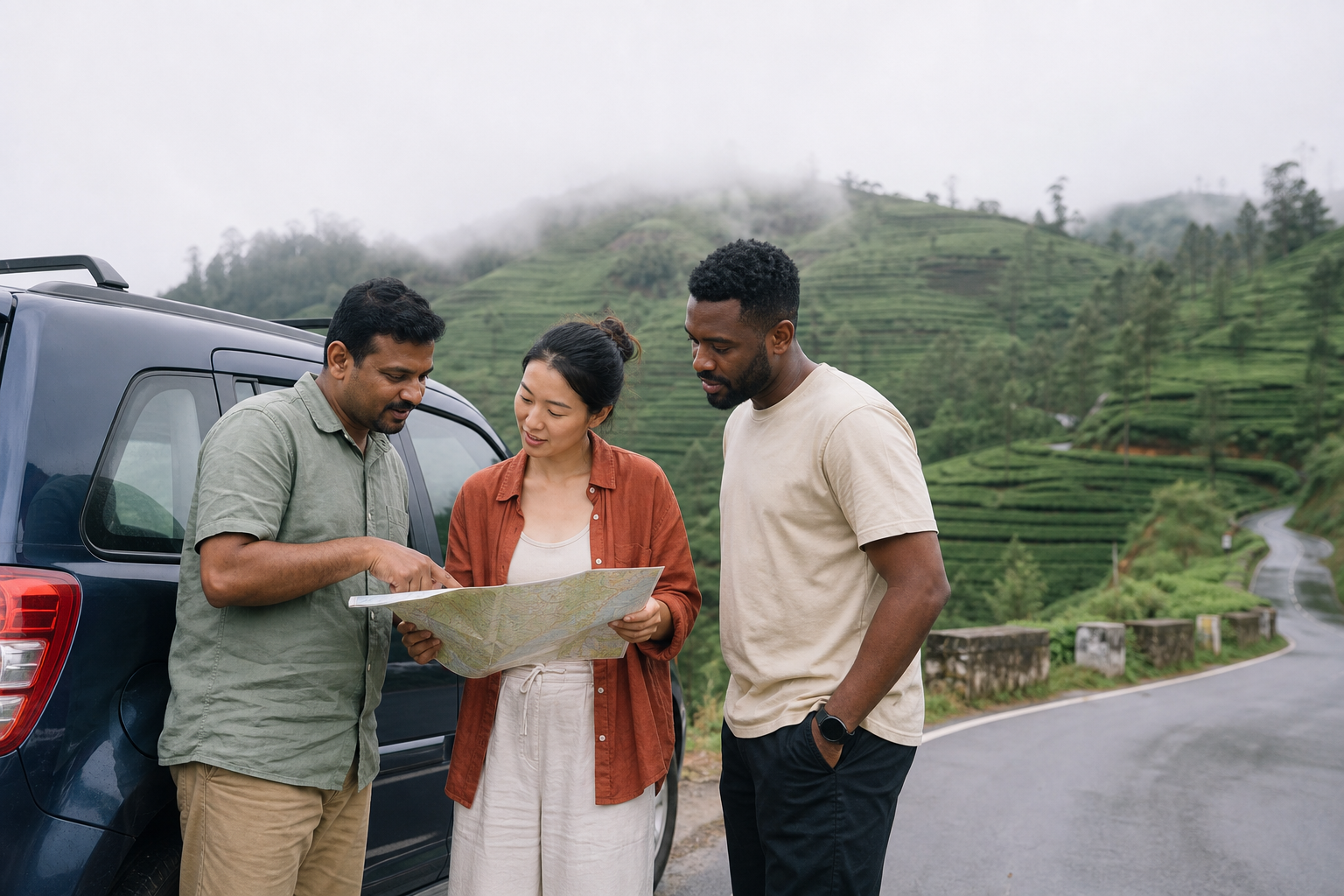
Car Hire with Driver can make sense when your itinerary has several stops, you are traveling with children or luggage, or you want early starts without negotiating each transfer separately. It is usually about convenience and route continuity rather than speed: Sri Lankan roads are often winding, and a knowledgeable local driver can help you set realistic departure times and suitable rest stops.
Before confirming, compare the vehicle size, air-conditioning, luggage capacity, driver language, daily distance or duty limits, parking and tolls, driver accommodation, cancellation terms and the final agreed price. Clarify whether the person is providing transport only or is licensed to guide at attractions.
Plan a smoother Sri Lanka journey
Compare Car Hire with Driver options before you decide
LankaRide lets travelers search drivers, tours and routes, compare vehicle and service details, and agree a price directly with the driver. Review each profile and its terms to choose what fits your itinerary.
7. Money, cards and tipping
The Sri Lankan rupee is a closed currency in practical travel use, and cash remains important for small restaurants, markets, tuk-tuks, tips and rural purchases. ATMs are common in cities and larger towns, but individual machines or foreign cards can fail. Carry a backup card and withdraw during the day in a secure location. Decline dynamic currency conversion when the offered exchange rate is unclear, and tell your bank you are traveling if required.
Cards are increasingly accepted at hotels and established businesses, but do not assume they will work everywhere. Keep small notes for day-to-day purchases and store most of your cash separately. Exchange money only through authorized providers and keep receipts when appropriate.
Tipping is appreciated in tourism but should remain voluntary. Check whether a hotel or restaurant has already added a service charge. For guides and drivers, base any tip on service quality, trip length and what was included in the agreed rate rather than treating a fixed online amount as compulsory.
8. SIM cards, eSIMs and staying connected
Local SIMs are sold at the airport and in official mobile shops. You will normally need your passport for registration. Compare current data packages on arrival, and ask staff to activate the SIM and test mobile data before leaving the counter. An eSIM can be convenient for immediate connectivity, but coverage ultimately depends on its local network partner.
Download offline maps, hotel addresses and tickets before long transfers. Keep your accommodation name and phone number in both English and a local-language screenshot if you are heading somewhere remote. Wi-Fi is common in hotels and cafés but can be inconsistent, especially during power or weather disruptions.
9. Safety and health
Most visits are trouble-free, but good travel habits matter. Read your government’s current Sri Lanka travel advice shortly before departure and monitor local news while you are there. Demonstrations, severe weather, transport disruption and local shortages can affect plans at short notice. Avoid demonstrations and large political gatherings, follow official instructions and give yourself alternatives for essential transfers.
Use registered or well-reviewed transport and share your route with someone you trust.
Wear seat belts where available and avoid unnecessary overnight road travel.
Keep phones and bags secure in crowded stations, markets and buses.
Keep drinks in sight and decline food or drink when a situation feels uncomfortable.
Use hotel safes thoughtfully and keep backup documents in secure cloud storage.
Swim only where local conditions are considered safe; currents can be strong even when the sea looks calm.
Use repellent, sunscreen and hydration, and seek medical advice promptly for fever or a serious animal bite.
For official emergency contacts, bookmark Sri Lanka Tourism’s emergency services page. It lists police emergency numbers 118/119 and tourist police contact information. Save your insurer’s assistance line, your embassy or consulate contact and your accommodation details offline as well.
This guide is general travel information, not medical or legal advice. Ask a qualified travel-health professional about vaccinations, medication and personal risks in good time before departure.
10. Cultural etiquette that makes travel better
Sri Lanka is culturally diverse and generally welcoming. A few respectful habits will make interactions smoother:
Temple clothing
Cover shoulders and knees; remove shoes and hats where required.
Buddha images
Do not turn your back on or pose disrespectfully with a Buddha image.
Photography
Ask before photographing people, ceremonies, monks or worshippers.
Giving and receiving
Use your right hand, or both hands, for money and small items when practical.
Public affection
Keep it discreet, especially around religious places.
Poya days
Alcohol sales and some services may be restricted on full-moon holidays.
Dress standards are relaxed in beach areas but more conservative in towns and villages. Carrying a light scarf or overshirt makes spontaneous temple visits easier.
11. Food and water: how to enjoy Sri Lankan cuisine confidently
Rice and curry is a family of dishes rather than one plate: expect vegetables, lentils, sambols and a meat or fish curry served together. Also look for hoppers, string hoppers, kottu, short eats and fresh tropical fruit. “Spicy” can mean genuinely hot, so ask for mild if necessary—but remember that coconut sambol or a side pickle may still carry heat.
Choose busy eateries with good food turnover, wash or sanitize hands before eating, and use sealed or reliably filtered water. If you have allergies, carry a translated allergy card and explain cross-contamination risks clearly; ingredients such as coconut, seafood, peanuts and cashews appear often.
12. What to pack
Light, breathable clothing plus one warmer layer for the hill country.
A modest temple outfit that covers shoulders and knees.
Comfortable walking shoes and easy-to-remove sandals.
Compact rain protection and a dry bag or waterproof pouch.
High-SPF sunscreen, hat, sunglasses and insect repellent.
A reusable water bottle where safe refills are available.
A universal power adapter and a small power bank.
Prescription medicine in original packaging, plus copies of prescriptions.
Offline copies of passport, ETA, insurance and key bookings.
Avoid overpacking. Laundry is widely available, and a smaller bag makes trains, stairs and frequent transfers much easier.
13. Common first-time mistakes
01
Planning by distance alone
A short-looking route may take hours on mountain roads.
02
Changing hotels every night
Two- or three-night bases produce a more relaxed trip.
03
Choosing the wrong coast for the season
Match beach time to regional weather and sea conditions.
04
Leaving popular trains too late
Check official reservations as soon as your dates are firm.
05
Assuming every driver is a guide
Transport service and licensed guiding are different roles.
06
Relying only on cards or mobile data
Keep backup cash, offline maps and essential phone numbers.
07
Ignoring travel buffers
Weather, traffic and operational changes are part of island travel.
14. Final checklist before departure
Recheck your passport, ETA and entry requirements on official sites.
Confirm travel insurance covers every planned activity.
Review regional weather and your government’s latest travel advice.
Reserve only the transport and attractions that truly need advance booking.
Share the itinerary and emergency contacts with someone at home.
Keep your first day light and your final airport transfer generous.
Sri Lanka is at its best when the itinerary has breathing room. Build around a few places you genuinely want to experience, respect the island’s weather and travel times, and leave space for the tea stop, temple conversation or roadside view you could never have scheduled. That balance—preparation without overplanning—is the most useful of all first-time Sri Lanka travel tips.
Last fact-checked: 24 August 2026. Entry rules, transport schedules, weather and local conditions can change. Verify time-sensitive details with the linked official sources before travel.




 English
  French
  German
  Spanish
  Dutch
Dutch  Chinese
  Hindi
Hindi  Arabic
コメント