
BUDGET INFORMATION CHECKED: 29 AUGUST 2026
These figures are planning bands, not fixed prices. The Sri Lankan rupee, hotel rates, fuel costs and attraction fees change. The estimates below exclude international flights and assume that two adults share a room unless a section says otherwise.
A useful Sri Lanka travel budget begins with a route, not a single daily number. A slow beach stay with local meals can cost far less than a fast circuit combining boutique hotels, Sigiriya, a wildlife safari and several private transfers—even when both trips last the same number of days.
For most independent travellers in 2026, a sensible starting range is USD 35–60 per person per day for budget travel, USD 90–160 for a comfortable mid-range trip, and USD 250–600 or more for luxury. Those ranges include accommodation, everyday meals, transport and an averaged allowance for sightseeing, but the expensive days and quiet days will not look alike.
THE SHORT ANSWER
Budget the expensive experiences first, then fund ordinary days around them
A heritage ticket, safari, whale-watching trip or long private transfer can exceed several days of local meals and public transport. Put fixed priorities on a calendar before multiplying a daily average. That simple change produces a much more honest Sri Lanka trip cost.
Sri Lanka daily budget at a glance
BUDGET
USD 35–60
about LKR 11,700–20,000 per person/day
Simple guesthouse or dorm, local food, buses and trains, free or low-cost activities, and selected paid highlights rather than one every day.
MID-RANGE
USD 90–160
about LKR 30,000–53,000 per person/day
Comfortable hotels, a mix of local and tourist-oriented restaurants, reserved rail or private road transfers, and several major attractions.
LUXURY
USD 250–600+
about LKR 83,000–200,000+ per person/day
High-end resorts or villas, premium dining, private transport, guides and curated experiences. Signature properties can push far beyond this range.
The LKR equivalents above are deliberately rounded. They use the Central Cultural Fund’s displayed rate of LKR 333 per USD on 26 August 2026 so that the scale is easy to understand. Check the rate offered by your card, bank or exchange counter when you travel; a live conversion will be more useful than treating these LKR figures as permanent.
ONE RULE THAT PREVENTS MOST BUDGET SURPRISES
Price the route day by day before calculating the average
Mark hotel nights, transfer days, ticketed sites, safaris and special meals first. Then add quieter days. A seven-day average built from seven different days is more reliable than multiplying one attractive headline figure by seven.
What the daily ranges include
Accommodation
A dorm or modest guesthouse at the low end; an air-conditioned hotel or character stay in the middle; a resort, villa or exceptional boutique property at the high end.
The room often decides the entire budget band.
Food and drink
Local rice-and-curry shops and bakeries stretch the budget; tourist cafés, imported drinks, hotel restaurants, seafood dinners and alcohol raise it quickly.
Breakfast inclusion matters more than it seems.
Ground transport
Public buses and ordinary rail are inexpensive. Reserved seats, airport pickups, tuk-tuks, taxis and private vehicles should be attached to the actual route.
Moving every day costs more than choosing a base.
Sights and experiences
Beaches, city walks and some viewpoints are free. Major heritage sites, park permits, safari vehicles, guides, diving and whale watching need separate lines.
Average expensive days across the whole trip.
Accommodation: calculate by room, not by person
Accommodation is where solo, couple and family budgets begin to diverge. A couple splitting a USD 80 room assigns USD 40 each to the daily total. A solo traveller in the same room carries the full USD 80. A family may share one larger room, need two rooms, or face child-age and extra-bed rules that change from property to property.
Compare the final price, not only the first search result. Taxes, service charges, breakfast, cancellation flexibility and payment currency can change the real total. Peak dates around Christmas, New Year, school holidays and popular coastal seasons can raise prices sharply, while an apparent bargain can become expensive if it forces an extra transfer.
Accommodation check
Confirm whether the quoted total includes service charge and tax, breakfast, air conditioning, an extra bed, airport pickup and cancellation. Save the final booking currency because your card statement may use a different exchange rate.
Food: inexpensive locally, variable in visitor areas
Sri Lankan food can be excellent value when you eat where local customers eat. A budget day might combine a bakery breakfast, rice and curry at lunch and kottu or hoppers in the evening. A mid-range day adds a hotel breakfast, specialty coffee, a restaurant dinner and more drinks. Luxury dining, wine and imported ingredients can cost several times the local-food budget.
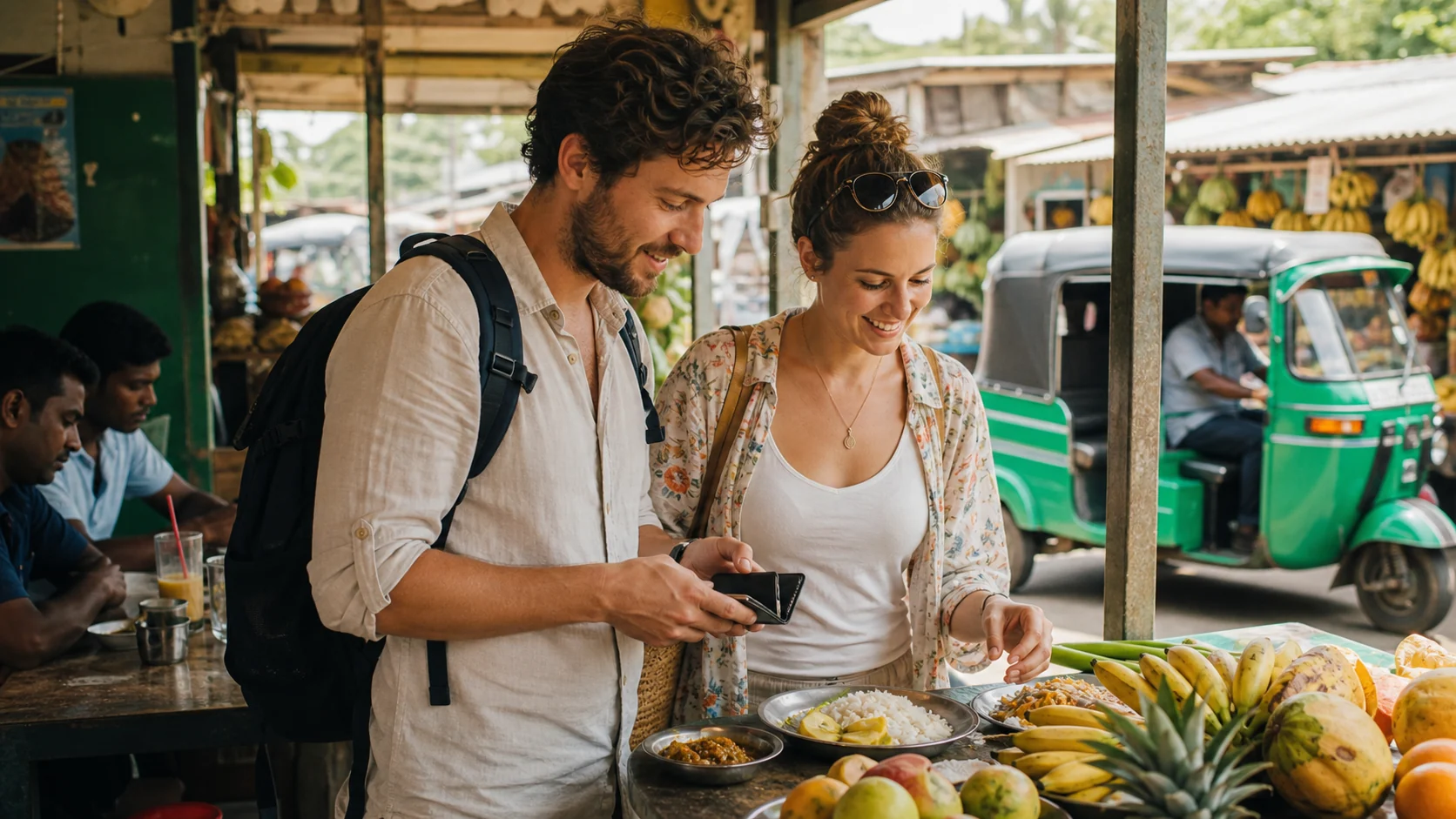
Ask whether prices include service charge and tax, especially in hotels and restaurants aimed at visitors. Include drinking water, tea, coffee, snacks and alcohol rather than budgeting only for three main meals. A hotel with a useful breakfast may be better value than a cheaper room that creates another daily café bill.
Transport: the route matters more than the day rate
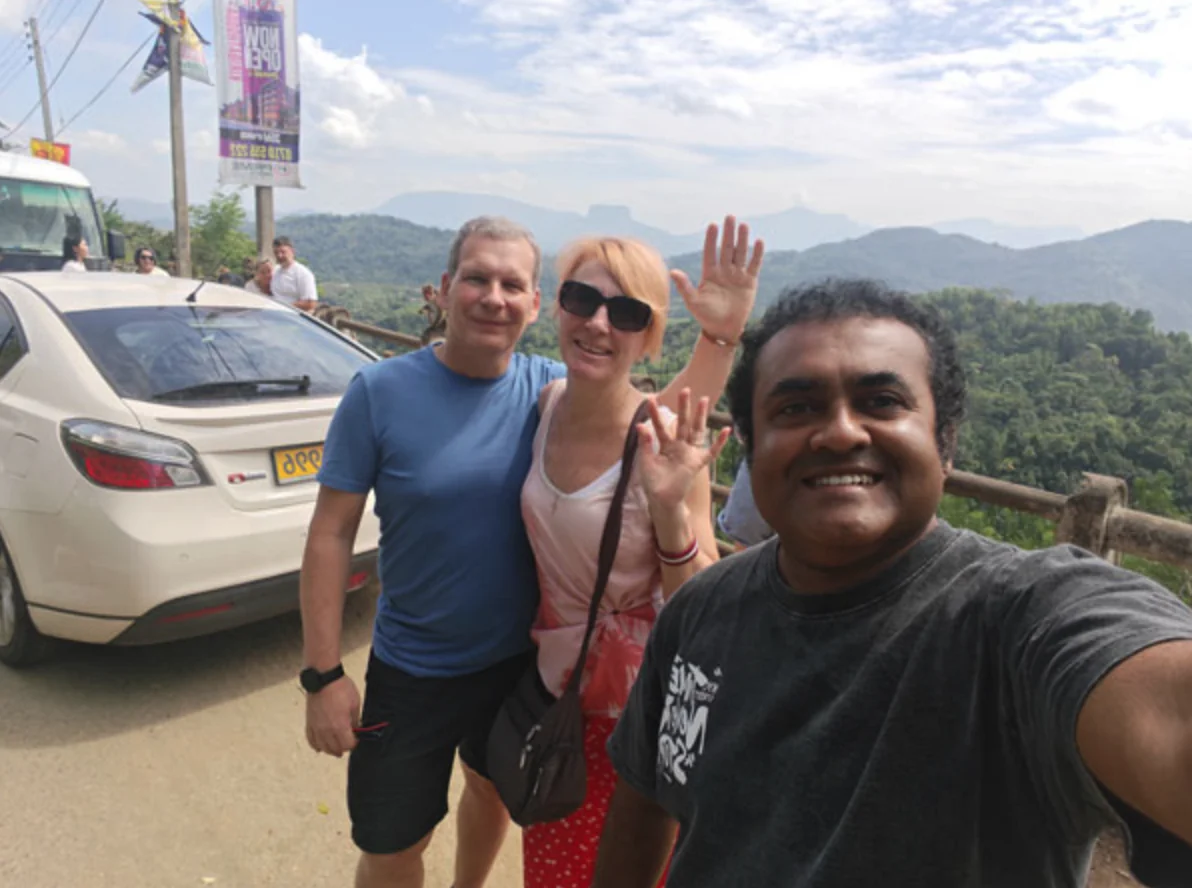
Local buses and ordinary trains can keep transport spending very low, but the trade-off is time, comfort and luggage handling. Reserved rail seats, express services and taxis provide more certainty. Private road travel becomes more economical per person when a couple, family or small group shares the vehicle, although luggage capacity may matter more than the number of seats.
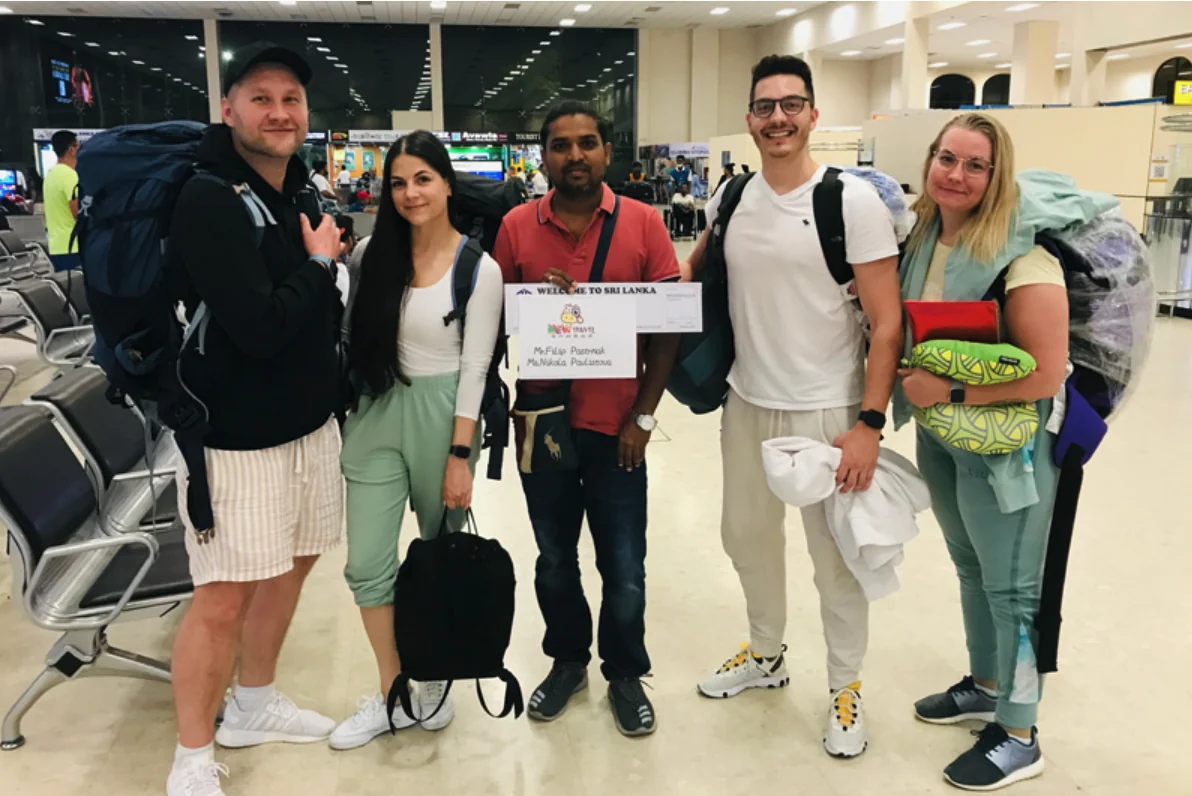
For a multi-city route, compare the total Car Hire with Driver quote against the combined price of separate airport pickups, hotel-to-hotel transfers, taxis, reserved rail seats and lost travel time. Ask whether fuel, expressway tolls, parking, waiting, driver accommodation and mileage are included. A low advertised day rate is not comparable with an all-in route quote until the scope matches.
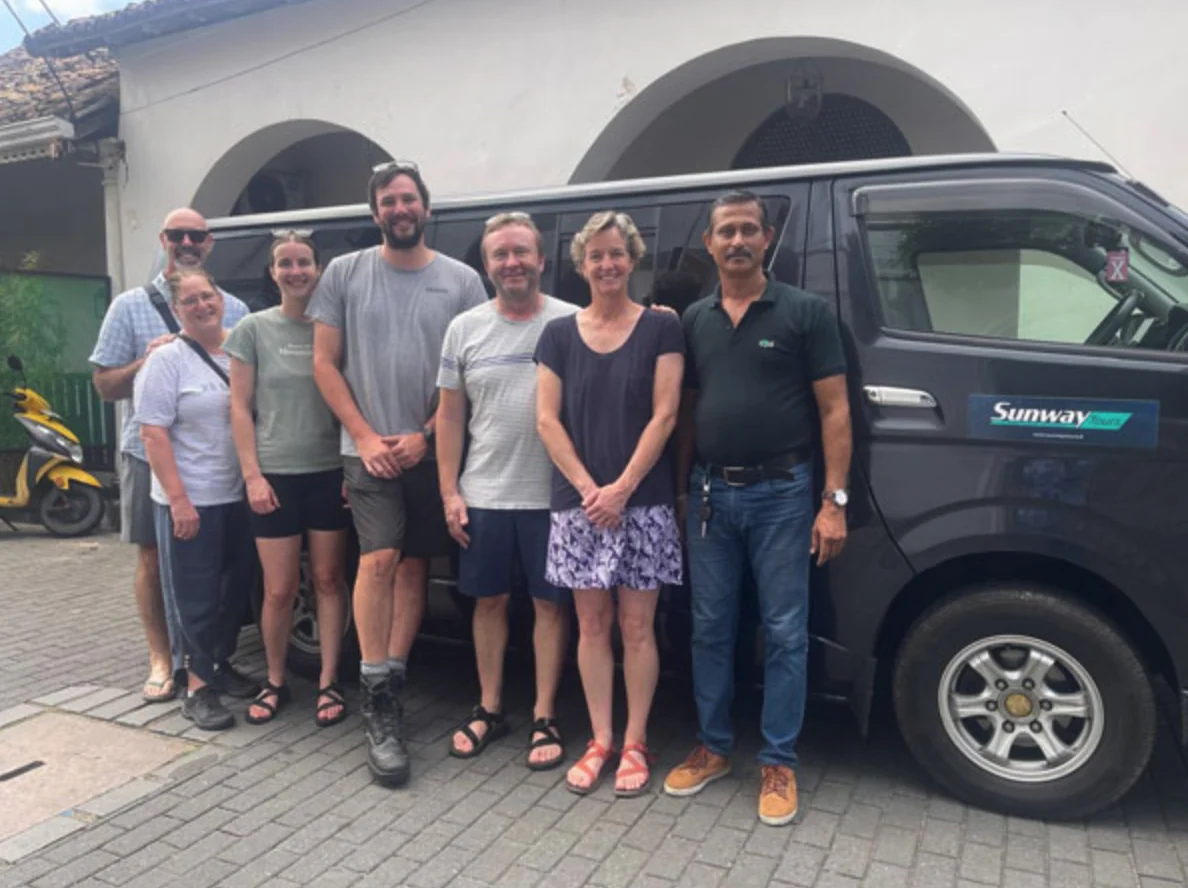
Do not compare only cash cost. A cheap journey that consumes most of a day can create an extra hotel night or remove an experience you travelled to enjoy. Equally, private transport is poor value if the vehicle waits unused while you remain in one beach town for several days. Match the transport model to the shape of the route.
Attractions and safaris create the biggest spikes
Major cultural sites are often priced in USD for foreign visitors. On 26 August 2026, the Central Cultural Fund listed a full foreign ticket at USD 35 for Sigiriya and USD 30 each for Polonnaruwa and Anuradhapura. Those three entries alone total USD 95 per adult before transport, guides, food or accommodation.

A safari budget normally has several components: park entry, taxes or service charges, the safari vehicle, and sometimes a naturalist or guide. The vehicle portion can be shared, while entry fees are charged per visitor. Ask for an itemised total and clarify whether the rate is half-day or full-day before comparing operators.
Smooth the expensive days
A USD 35 ticket on one day does not mean adding USD 35 to every day. If a 10-day route includes three USD 30–35 heritage visits, the averaged heritage allowance is roughly USD 9–10 per adult per day. Keep the original ticket days visible so the cash flow still makes sense.
Solo travellers, couples and families need different maths
Solo
Rooms, airport pickups and private vehicles are not split. Hostels, shared tours, public transport and fewer hotel changes reduce the premium.
Couple
Double rooms and vehicles are shared, but attraction tickets and most meals remain per person. A higher room category can still fit a moderate per-person target.
Family
One vehicle may serve everyone, but room configuration is decisive. Check family rooms, connecting rooms, extra beds, breakfast and child-ticket ages individually.
Small group
Transport and guides can be efficient when shared. Confirm luggage space, seat belts, room allocations and whether one cancellation changes the group price.
Seven-day Sri Lanka budget examples
These examples multiply the daily planning bands by seven. They exclude international flights and are per person on the room-sharing basis described above. They are most useful as an envelope: replace the generic allowance with actual hotel, transfer and ticket quotes as your route becomes firm.
BUDGET WEEK
USD 245–420
Best suited to simple accommodation, local meals, public transport and a limited number of expensive attractions.
MID-RANGE WEEK
USD 630–1,120
Allows comfortable rooms, varied dining, several major sites and a mix of public and private transport.
LUXURY WEEK
USD 1,750–4,200+
Covers premium stays, private mobility and curated experiences; landmark resorts and villas can exceed the upper guide.
Costs travellers often forget
Visa or ETA-related charges applicable to your nationality and travel date
Card foreign-exchange margins, ATM fees and cash-withdrawal limits
Hotel service charge, tax, breakfast and late-arrival supplements
Expressway tolls, parking, waiting time and driver overnight arrangements
Laundry, SIM or eSIM data, drinking water, snacks and coffee
Tips, local guides, camera permissions and activity equipment
Travel insurance excess, medicine and an emergency transport reserve
Seasonal surcharges and one extra night if weather disrupts the route
How to reduce the total without weakening the trip
Travel more slowly. Fewer hotel changes reduce transfer costs and leave time for free beaches, walks, markets and neighbourhood meals.
Choose which heritage sites matter most instead of buying every ticket because it appears on a standard itinerary. Mix one memorable hotel with simpler stays rather than paying the highest category every night.
Book high-demand trains and special properties early, but preserve cancellation flexibility when weather or transport disruption is possible. Use public transport on simple direct routes and pay for private transport where it materially improves a difficult connection, an early arrival or a multi-stop day. The cheapest component is not always the cheapest itinerary.
Build a reserve of at least 10–15% above the planned on-island total. That margin absorbs exchange-rate movement, a more expensive restaurant district, an extra taxi or a changed hotel without turning every decision into a crisis.
Cash, cards and the exchange rate
Carry a mix rather than relying entirely on one payment method. Cards are common at many hotels, restaurants and larger businesses, while cash remains useful for small eateries, tuk-tuks, markets, tips and rural purchases.
Keep cash in more than one secure location and withdraw during banking hours when possible so help is available if an ATM retains a card.
When a terminal offers to convert a charge into your home currency, compare that rate with your card issuer’s rate before accepting.
Save receipts for hotels, tickets and major transfers, and keep one short daily note of cash spending. You do not need a complex spreadsheet; you need enough visibility to notice when the trip is moving outside the plan.
Sri Lanka travel budget FAQ
Is USD 50 a day enough for Sri Lanka?
It can be enough for a budget traveller using simple accommodation, local food and public transport. It becomes tight on days with major foreigner-priced attractions, safaris or private transfers.
How much should a couple budget per day?
Roughly double the per-person band, then adjust for the shared room and shared vehicle. A comfortable couple might plan around USD 180–320 per day before international flights, depending on route and hotel level.
Are attraction fees included in the daily budget?
The bands include an averaged sightseeing allowance, but not a major ticket every day. Place exact heritage, safari and activity costs on the itinerary first, then average them across the trip.
Should I budget in USD or LKR?
Use the currency in which the supplier quotes. Keep the master budget in your home currency, but record LKR cash spending and USD-priced tourist fees separately so exchange-rate changes remain visible.
Is Sri Lanka cheaper for families?
Some costs fall per person because vehicles and rooms are shared, and some sites offer child tickets. Two-room requirements, extra beds and full-price teen tickets can reverse that advantage, so calculate by family configuration.
How much contingency money should I keep?
A 10–15% reserve above the planned on-island total is a useful starting point. Keep access to a larger emergency fund separately for medical care, missed transport or an unplanned hotel night.
A realistic final number
Sri Lanka can work for very different budgets, but the route controls the result. Start with USD 35–60 per person per day for a careful budget trip, USD 90–160 for comfortable independent travel, or USD 250–600+ for luxury. Then replace the generic figures with actual rooms, transport and the expensive experiences you care about.
The best budget is not the lowest number. It is the number that leaves enough room to choose safe transport, eat well, enter the places you came to see and adapt when Sri Lanka’s weather, roads or exchange rate changes the plan.
PRICE-CHECK SOURCES
Recheck live rates before booking
Use official pages for exchange rates, heritage tickets and rail information. Traveller averages can provide context, but your dates and route decide the final total.
Editorial note: Ceylon Guidebook is an independent travel publication. The prices and budget bands in this article are general planning information, not quotations or guarantees. Verify current rates, inclusions, taxes and cancellation terms with each provider.




 English
  French
  German
  Spanish
  Dutch
Dutch  Chinese
  Hindi
Hindi  Arabic
コメント